A Day Trip to Delft Island: Wild Horses and Coral Walls

Tharushi Amarasinghe
Safari Writer
If you look at a map of Sri Lanka, Delft Island (locally known as Neduntheivu) is a speck floating in the Palk Strait, closer to India than to Colombo. It is the furthest inhabited island from the mainland, and visiting it feels like stepping onto a different continent.
There are no luxury hotels here. There are no shopping malls. Instead, there are wild horses, walls made of coral, and a silence so deep it feels heavy. It is a harsh, dry, beautiful place that demands a sense of adventure.
The Journey: The Navy Boat
Getting to Delft is half the adventure. You cannot just drive there. You must drive to the Kurikadduwan (KKD) Jetty, which is about an hour’s drive from Jaffna town via the causeways.
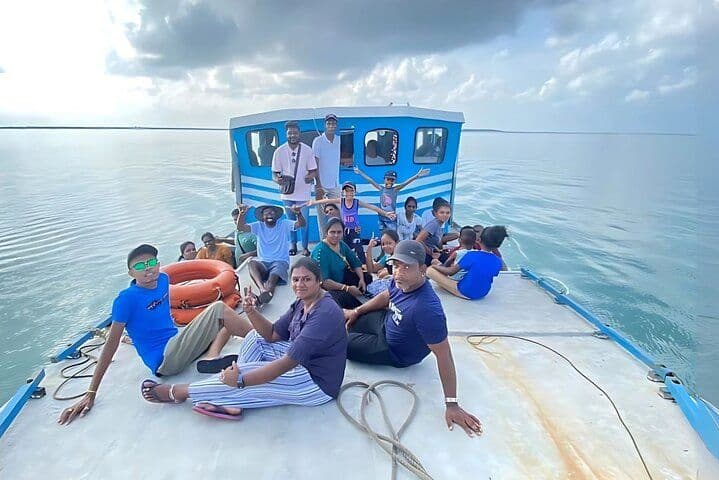
From there, you catch a ferry. The service is usually run by the Sri Lankan Navy or a local cooperative.
- The Schedule: The boat timings change, but generally, the main boat leaves KKD at 8:00 AM and 9:00 AM. The return boats usually leave Delft at 1:30 PM and 2:30 PM.
- The Experience: It is not a luxury cruise. It is often a crowded, rocking boat ride that takes about 45 minutes to an hour. If you get seasick, take a pill beforehand. The ocean here can be choppy.
The Wild Horses
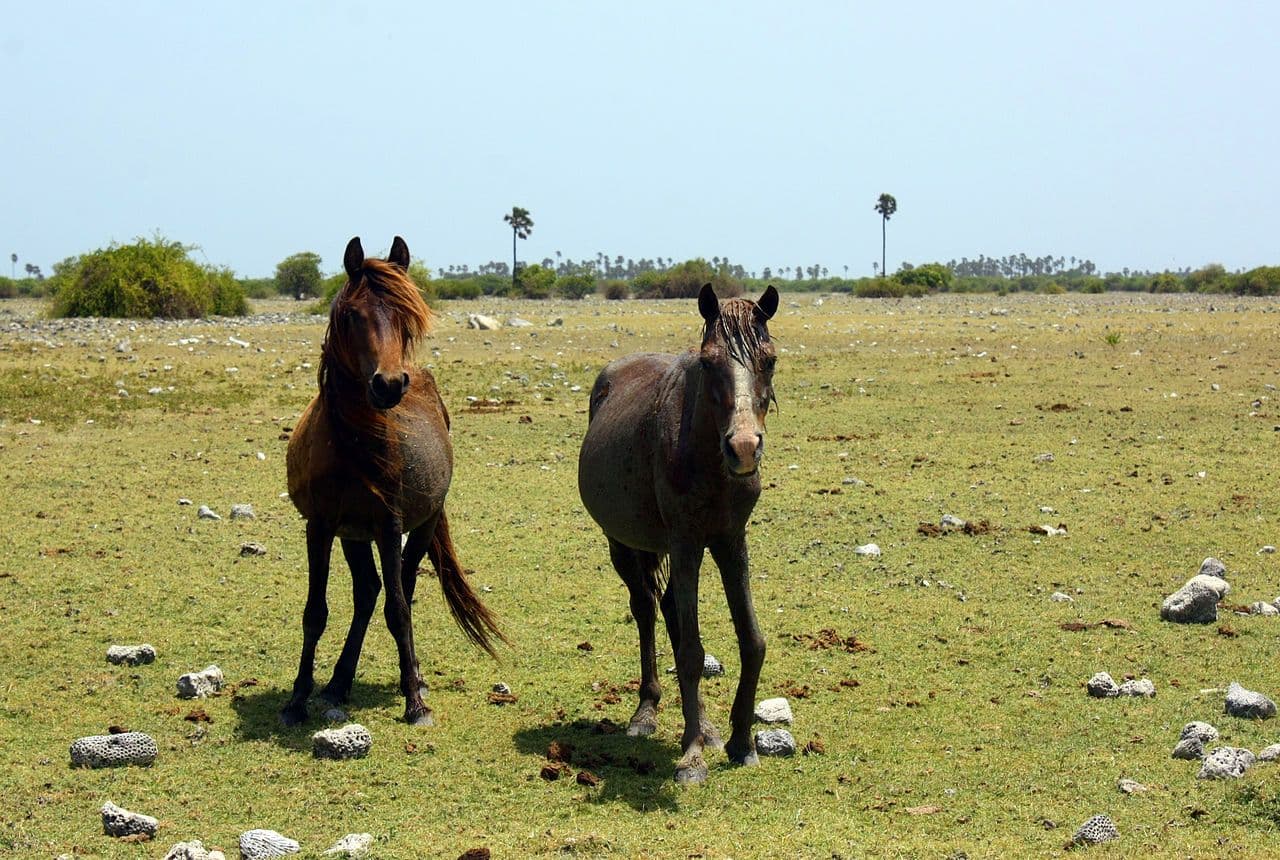
The main reason travelers brave the rough sea is to see the horses. These are not native to Sri Lanka. They are the descendants of horses brought over by the Portuguese in the 1600s and later bred by the Dutch.
When the colonial powers left, the horses remained. Today, they roam wild across the flat, dry plains of the island. seeing a herd of them galloping across the dusty landscape against a backdrop of blue ocean is a surreal sight that you won't find anywhere else in the country.
The Landscape: A World of Coral
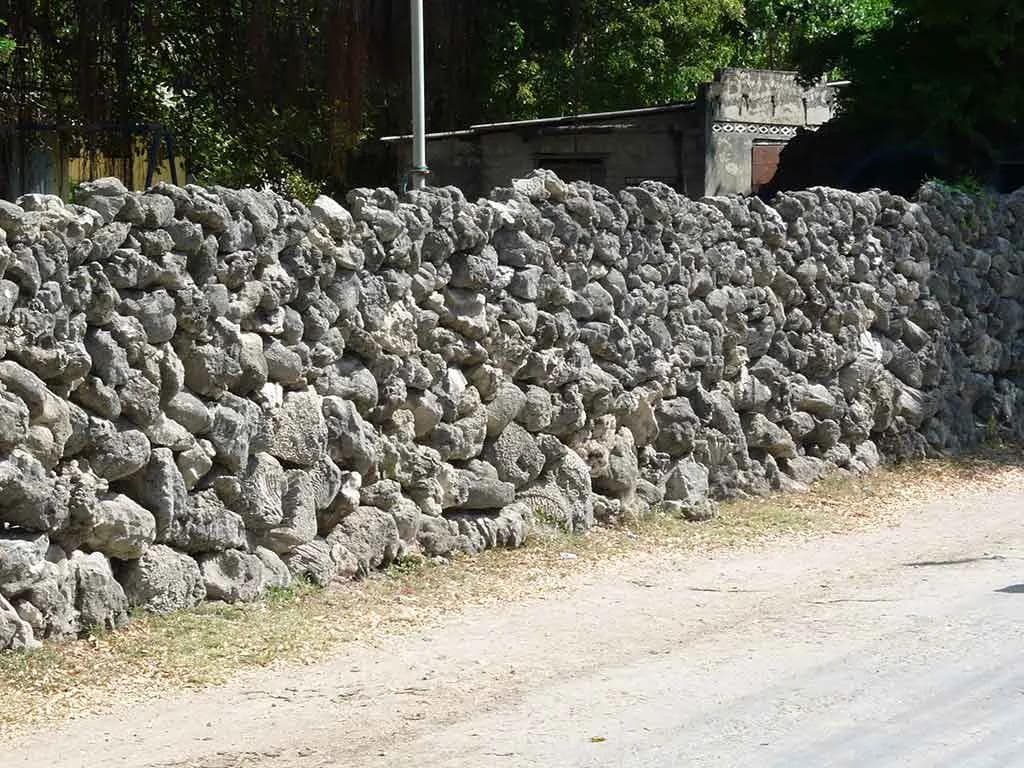
As you explore the island, look at the fences. In the mainland, fences are made of wood or wire. In Delft, they are made of coral.
The island is essentially a bed of dead coral. For centuries, locals have piled up these jagged, grey rocks to create boundary walls for their homes and fields. It gives the island a prehistoric, Flintstones-esque look.
The Giants: Baobab Trees
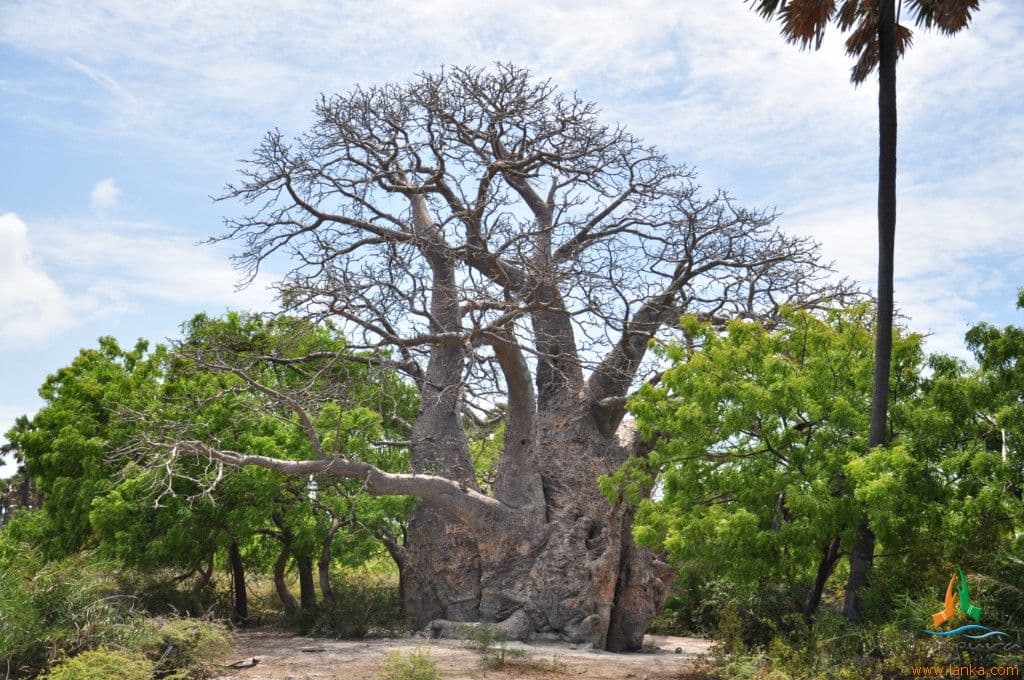
Delft is also home to the Baobab Tree, another colonial import (likely from Africa or the Middle East). The most famous one on the island is massive, with a trunk so wide that several people holding hands couldn't circle it. The locals call it the "Hollow Tree" because the inside of the trunk has naturally hollowed out, large enough for a person to step inside.
Getting Around: The Tuk-Tuk Tour
You cannot walk around Delft; it is too big and too hot. When you get off the ferry, you will see a fleet of local tuk-tuks waiting.
This is the standard way to see the island. You hire a driver for a set fee (negotiate this before you hop in), and they will take you on a 2-3 hour loop to see the main sights: the horses, the Baobab tree, the growing rock, and the ruins of the old Dutch Fort and Pigeon Nest.
Realistic Tips for Survival
- Bring Cash: There are no ATMs on Delft Island. You must bring enough cash to pay for the tuk-tuk, food, and the return ferry.
- Bring Food and Water: Options on the island are very limited. There are one or two small local "hotels" that serve a basic rice and curry, but they can run out of food. It is safer to pack your own water and snacks from Jaffna.
- The Heat: There is almost no shade on the island. The sun reflects off the white coral sand, making it incredibly bright. Wear a hat, sunglasses, and strong sunscreen.
- The Return Boat: Do not miss the last boat back. If you do, you are stuck on the island for the night, and accommodation options are extremely basic.
Why Go?
Delft is not a "relaxing" beach holiday. It is a rugged, dusty, tiring day trip. But it is also unforgettable. It shows you a slice of history that has been frozen in time, isolated by the ocean, where horses still run wild and the walls are made of the sea.
Enjoyed this story? Share it
About the Author
Tharushi Amarasinghe
A passionate cultural explorer and travel storyteller dedicated to uncovering the grand temple festivals, historic heritage sites, serene island landscapes, and the vibrant spirit of Jaffna — the jewel of Sri Lanka's northern coastline.