Breakfast Like a Local: Idli, Vadai, and Sambal at a "Saivar Kade"
Lakshan Wijesinghe
Safari Writer
If you are eating toast and jam at your hotel, you are doing Jaffna wrong.
In the North, breakfast is the most important meal of the day. It is hot, it is heavy, and it is incredibly cheap. The best place to find it is not in a restaurant with a menu card, but in a "Saivar Kade."
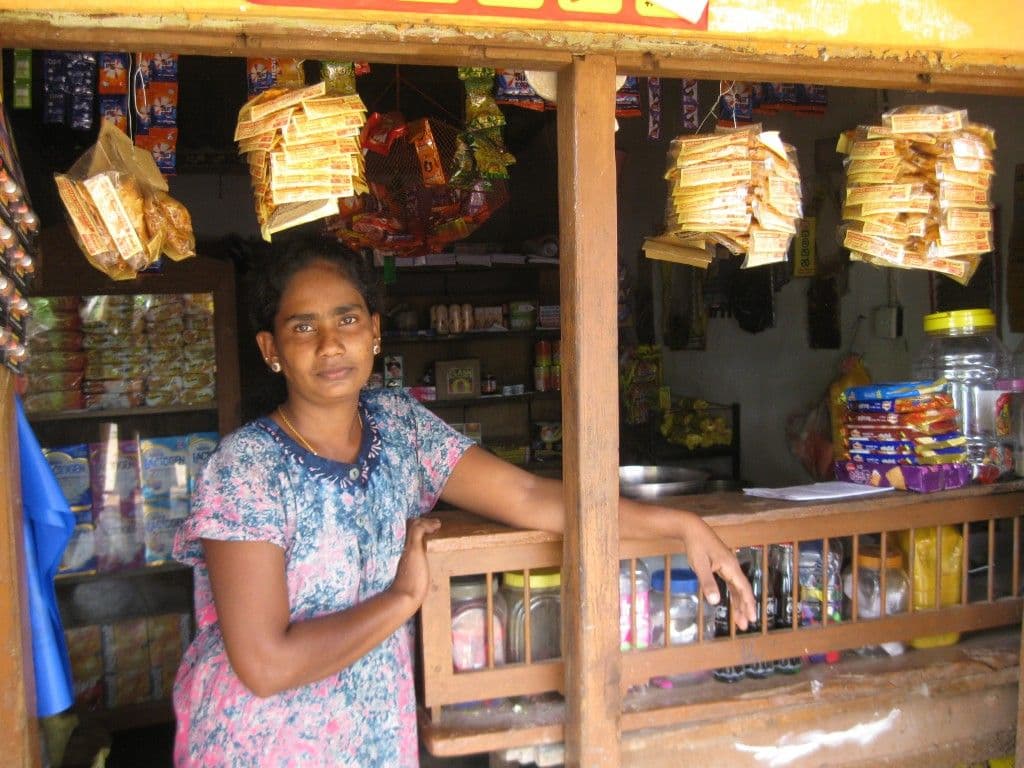
These are small, often unnamed vegetarian eateries found on almost every corner in Jaffna town. You will know them by the stack of bananas hanging at the entrance and the smell of frying dough wafting onto the street. Walking into one of these spots at 7:30 AM is a sensory experience that wakes you up faster than caffeine.
The Holy Trinity: Idli, Vadai, and Sambar
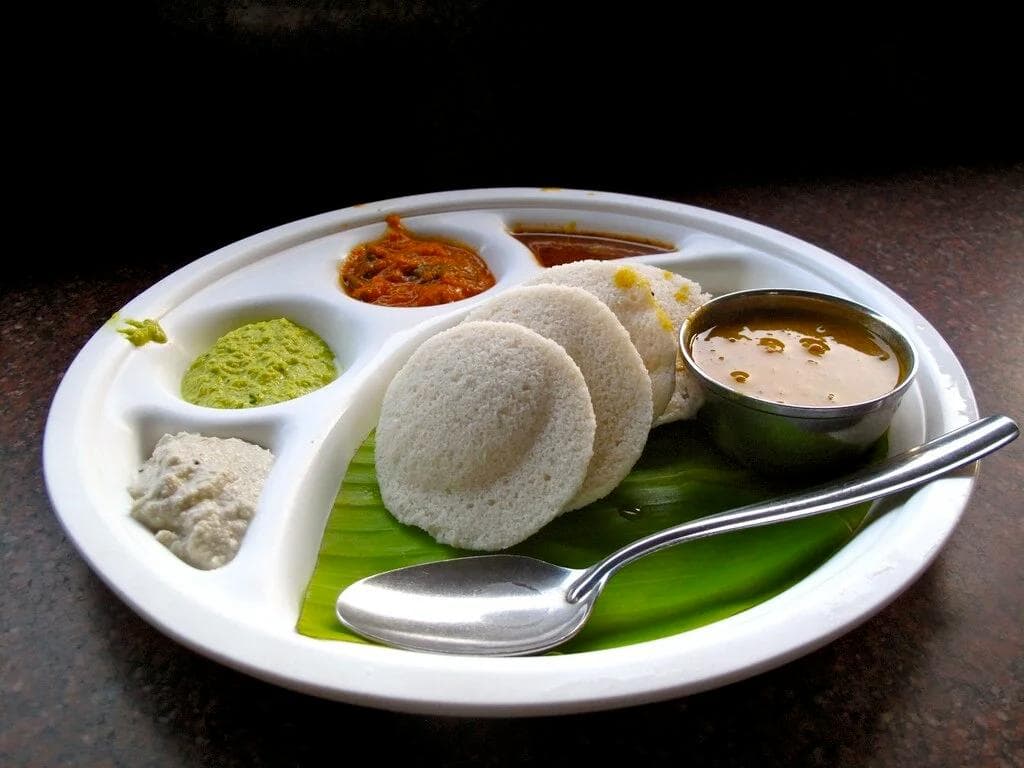
The standard Jaffna breakfast revolves around three items.
First, the Idli. These are steamed cakes made from fermented rice and lentil batter. In Jaffna, they are made to be incredibly soft like clouds. They have a slight sourness from the fermentation which pairs perfectly with the spicy curries.
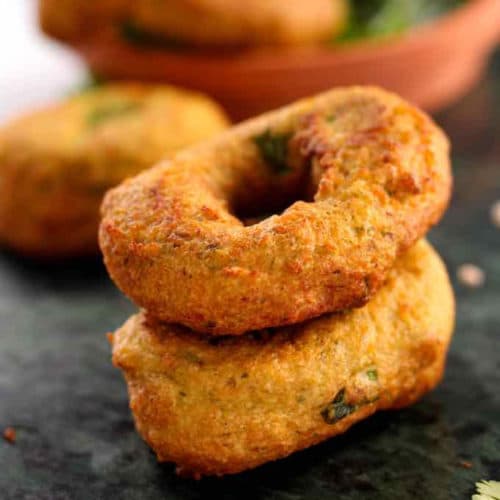
Second, the Vadai. You will usually see two types. The Ulundu Vadai is the one shaped like a doughnut. It is soft and spongy, designed to soak up gravy. The Masala Vadai is a flat, crunchy disc made of coarsely ground lentils and spices. It is harder, satisfyingly crunchy, and often acts as a side dish to the softer idli.
Third, the Sambar. This is the lentil-based vegetable stew that ties everything together. In the South of Sri Lanka, sambar can be mild. In Jaffna, it is fiery, red, and packed with drumsticks (murunga) and onions.
The Eating Ritual
There is a specific way to eat this meal. You don't order off a menu; you usually point at what you want from the glass cabinet or the large pots.
The server will slap a stainless steel plate (or sometimes a banana leaf) on your table. You will get two or three idlis and a vadai. Then, without asking, they will ladle the sambar and coconut chutney directly over the top until the idlis are drowning.
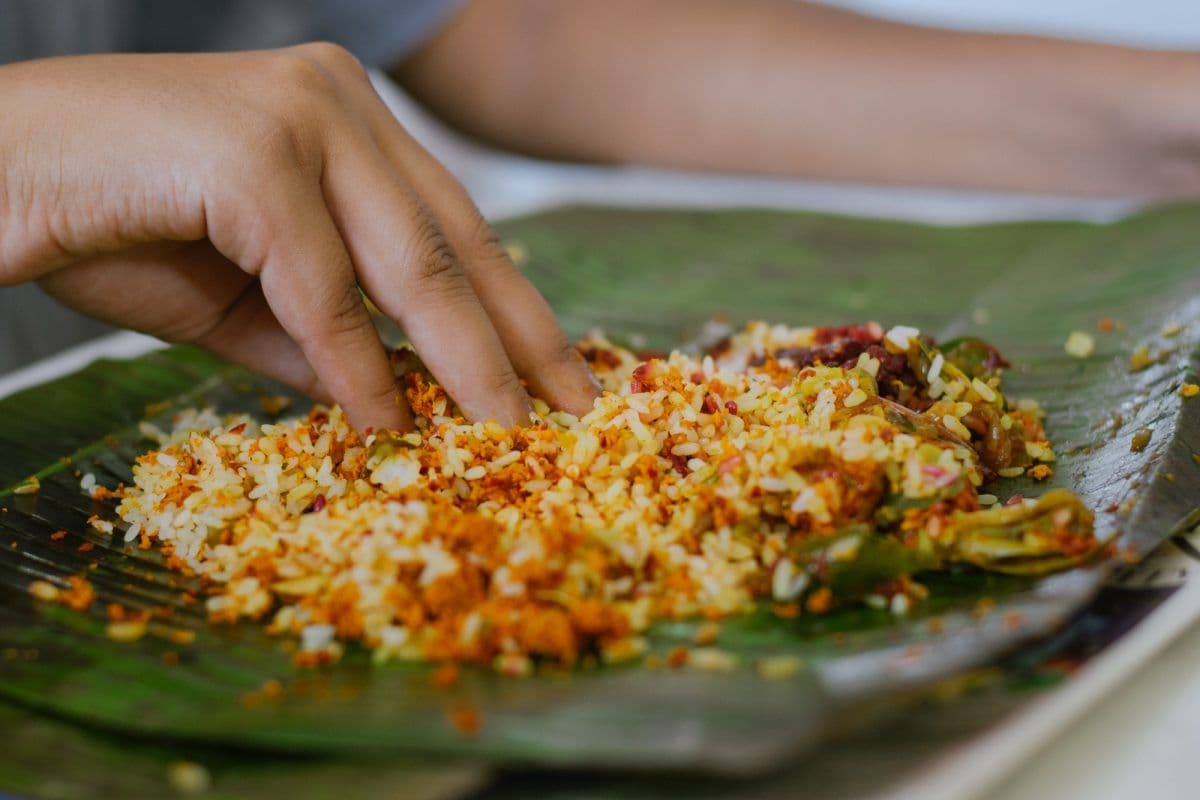
This is not a meal for a fork and knife. The idli is a sponge. You have to use your fingers to mash the idli slightly so it absorbs the sambar, then scoop the mixture into your mouth. It is messy, hot, and utterly delicious.
The "Pittau" Alternative
If you want to branch out, look for Pittu (steamed cylinders of rice flour and coconut) or String Hoppers (steamed rice noodles).
In Jaffna, these are often served with a "Sothi" a yellow coconut milk gravy that is much lighter than the sambar. It is often served with a spicy Pol Sambal (coconut scrapings with chili) that provides a kick of heat to wake up your palate.
Realistic Expectations: The "Saivar Kade" Vibe
These shops are built for speed, not comfort.
- The Seating: You will likely sit on a plastic stool or a shared wooden bench.
- The Hygiene: It is basic. You wash your own hands at a sink in the corner before and after eating. The plates are washed rapidly, but if you are worried, you can ask for a plastic sheet or banana leaf on top of the plate.
- The Price: This is the best value meal you will find. A full belly will cost you less than $1 USD (approx 300 LKR).
Why You Should Try It
Eating at a Saivar Kade connects you instantly with the daily rhythm of the city. You are eating alongside school children, tuk-tuk drivers, and office workers. There is no pretense here. It is just honest, fresh food made by people who have been steaming idlis since 4:00 AM.
So tomorrow morning, skip the continental breakfast. Follow the smell of curry leaves and mustard seeds, find a crowded shop, and ask for "Two Idli, One Vadai." You won't regret it.
Enjoyed this story? Share it
About the Author
Lakshan Wijesinghe
A passionate cultural explorer and travel storyteller dedicated to uncovering the grand temple festivals, historic heritage sites, serene island landscapes, and the vibrant spirit of Jaffna — the jewel of Sri Lanka's northern coastline.