Coffee vs. Tea: The Unique Coffee Culture of Jaffna
Dinuka Rathnayake
Safari Writer
In the misty hills of Nuwara Eliya and Kandy, tea is king. Sri Lanka is world-famous for its Ceylon Tea, and you can hardly go a mile without seeing a tea plantation. But when you cross Elephant Pass and enter the Northern Peninsula, the rules change.
Jaffna is, and has always been, coffee country.
While the rest of the island starts the day with a cup of milk tea, the North wakes up to the strong, pungent aroma of roasted coffee. But be warned: if you order a coffee here expecting a cappuccino or a flat white, you are in for a surprise. This is Jaffna Coffee, and it is a drink that doubles as medicine.
The Secret Recipe: "Sukku" Coffee
The distinct flavor of Northern coffee doesn't come from the bean variety alone; it comes from the spice blend.
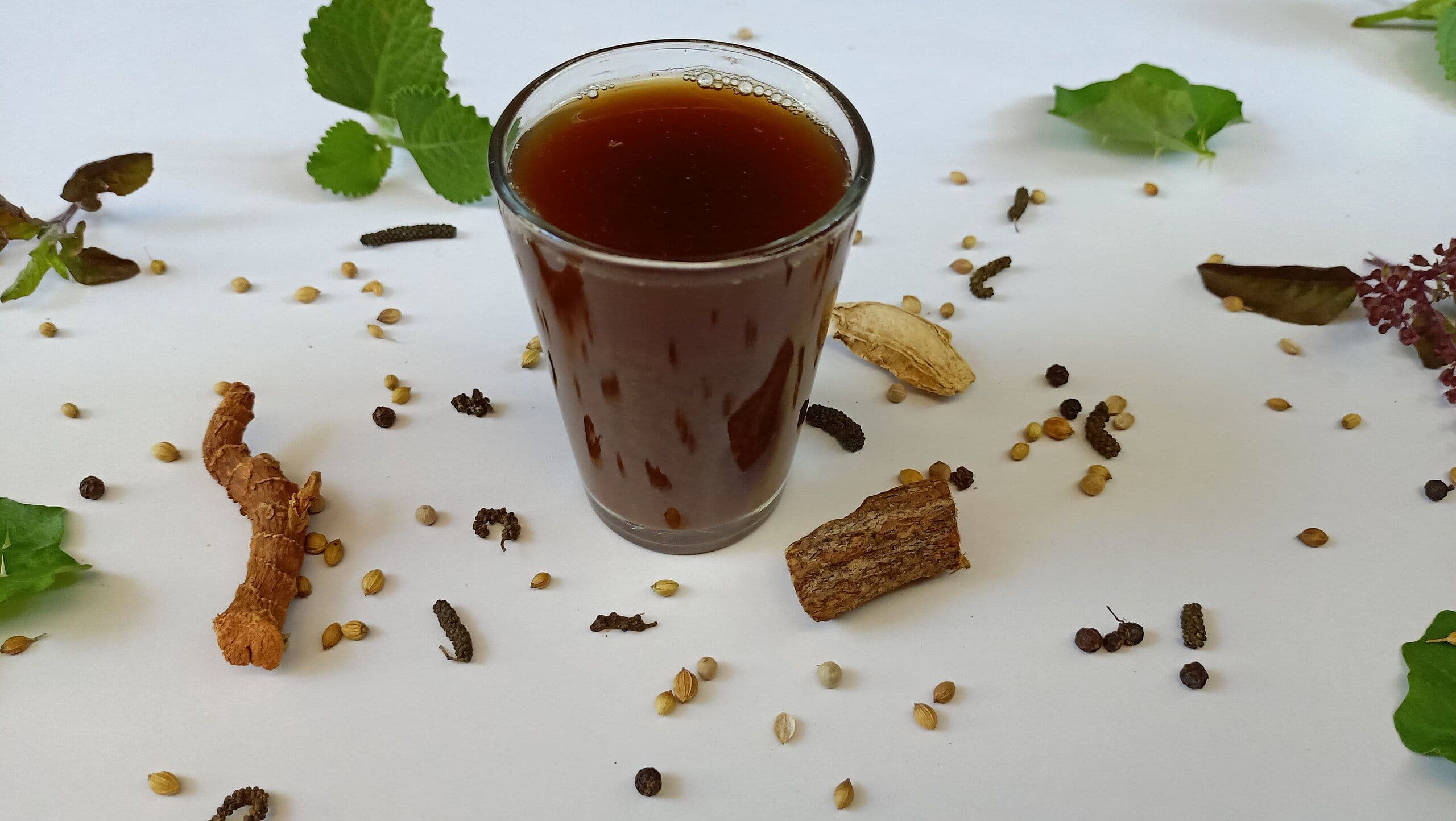
In many traditional homes and older cafes, the coffee grounds are roasted alongside dried ginger (Sukku) and coriander seeds. Some mixes even include cardamom or cumin. The result is a brew that is less acidic than Western coffee but far more spicy.
It hits the back of your throat with a peppery warmth. It clears the sinuses. It wakes you up not just with caffeine, but with heat. It is dark, earthy, and usually served incredibly sweet to balance the bitterness of the spices.
The Coffee House Culture
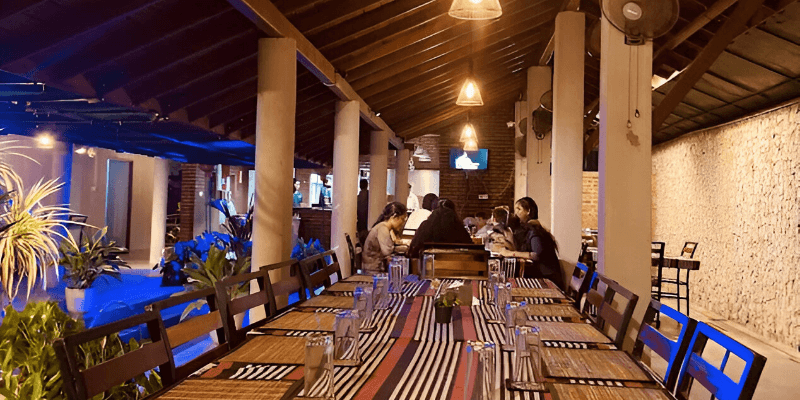
To understand the culture, you have to visit an old-school Coffee House. These are not the air-conditioned, Wi-Fi-enabled cafes of Colombo. These are open-air establishments with high ceilings, whirring fans, and marble-top tables.
In the mornings and late afternoons, these places are filled with men usually the older generation reading the Tamil newspapers (Uthayan or Valampuri), discussing politics, and nursing a single cup of coffee for an hour. It is the social hub of the town. It is where news travels before it hits the internet.
The "Glass" vs. The "Tumbler"
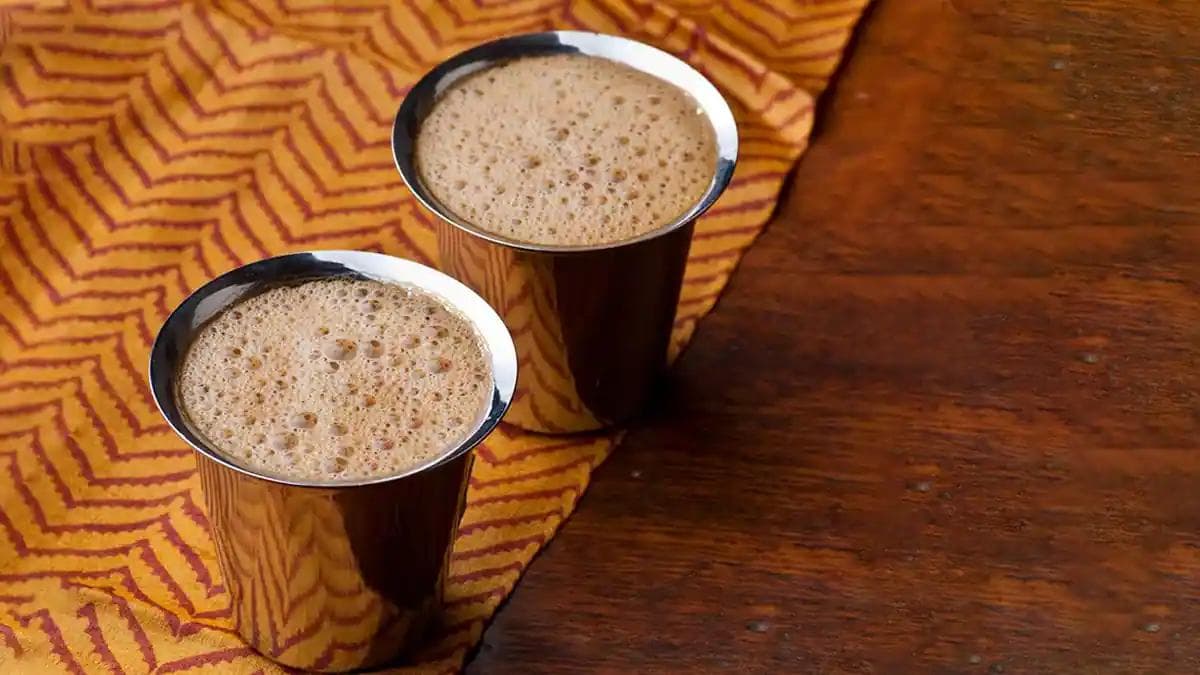
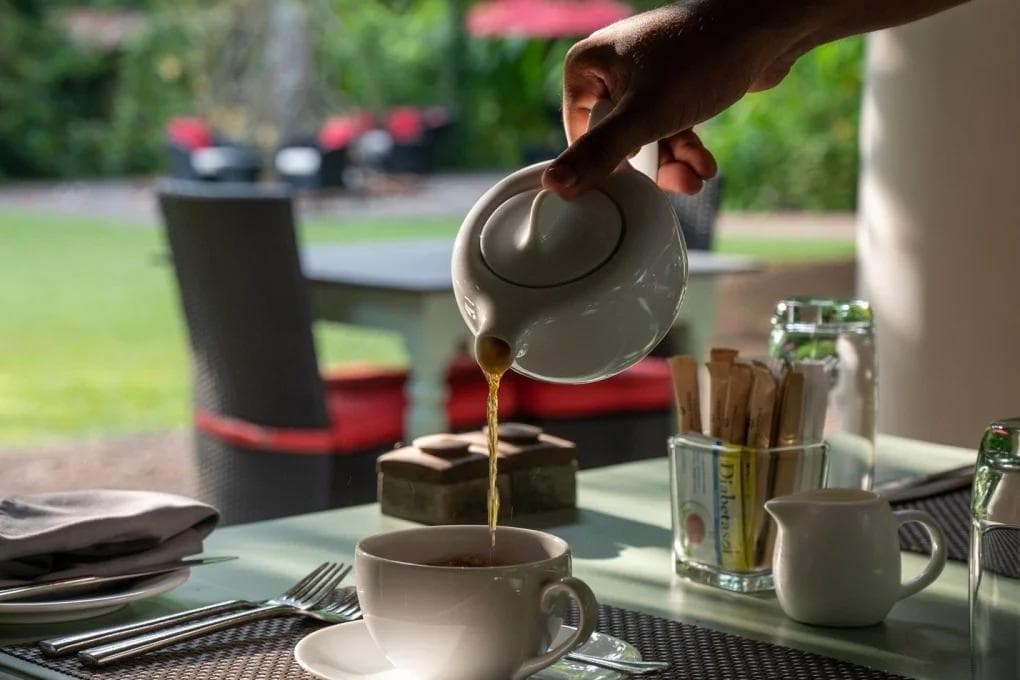
In Jaffna, the vessel matters. If you order a "plain coffee" (black), it often comes in a small glass cup. If you order a "milk coffee," it arrives in a stainless steel tumbler with a smaller metal bowl underneath (called a davara).
The metal is crucial. It retains heat, but the rim is shaped to pour perfectly. Because the coffee is served boiling hot, you are expected to pour the liquid back and forth between the tumbler and the bowl. This cools it down to a drinkable temperature and mixes the sugar and milk thoroughly.
A Shift in Trends
It is worth noting that modern espresso culture is slowly creeping into Jaffna. You can now find a few cafes in Nallur or near the station serving lattes and iced mochas to tourists and the younger generation.
But the heart of the city still beats for the traditional brew. Places like Malayan Café or the small stalls near the Jaffna Market still serve the old-style spiced coffee.
Realistic Expectations
For the coffee purist, Jaffna coffee can be shocking.
- It is sweet: Locals love sugar. If you don't want it sweet, you must explicitly say "Sugar-free" (or Seeni illamal), though you might get a confused look.
- It is watery or milky: Depending on the shop, milk coffee can be very milky. It is not the thick espresso crema you might be used to.
- The sediment: Because it is often unfiltered or strained through a cloth sock, you might find a bit of spicy sludge at the bottom of the cup. That’s the best part.
Why You Should Drink It
Drinking a cup of Sukku coffee is the most authentic way to start a Jaffna morning. It is a flavor profile that tells the history of the region a blend of trade, resilience, and a love for strong, bold spices. It clears your head, settles your stomach, and prepares you for the heat of the day.
Enjoyed this story? Share it
About the Author
Dinuka Rathnayake
A passionate cultural explorer and travel storyteller dedicated to uncovering the grand temple festivals, historic heritage sites, serene island landscapes, and the vibrant spirit of Jaffna — the jewel of Sri Lanka's northern coastline.