Exploring Kankesanthurai: The Lighthouse and The Presidential Palace

Amaya Fernando
Safari Writer
For decades, the name "Kankesanthurai" (or KKS) was synonymous with "High Security Zone." Located at the very northern tip of the peninsula, this area was largely off-limits to civilians during the war.
But as the barriers have come down, KKS has emerged as one of the most fascinating day trips in Jaffna. It is a place of stark contrasts. On one side, you have some of the bluest, clearest water in Sri Lanka. On the other, you have the crumbling, bullet-scarred remains of a bygone era.
The "Presidential Palace" Ruins
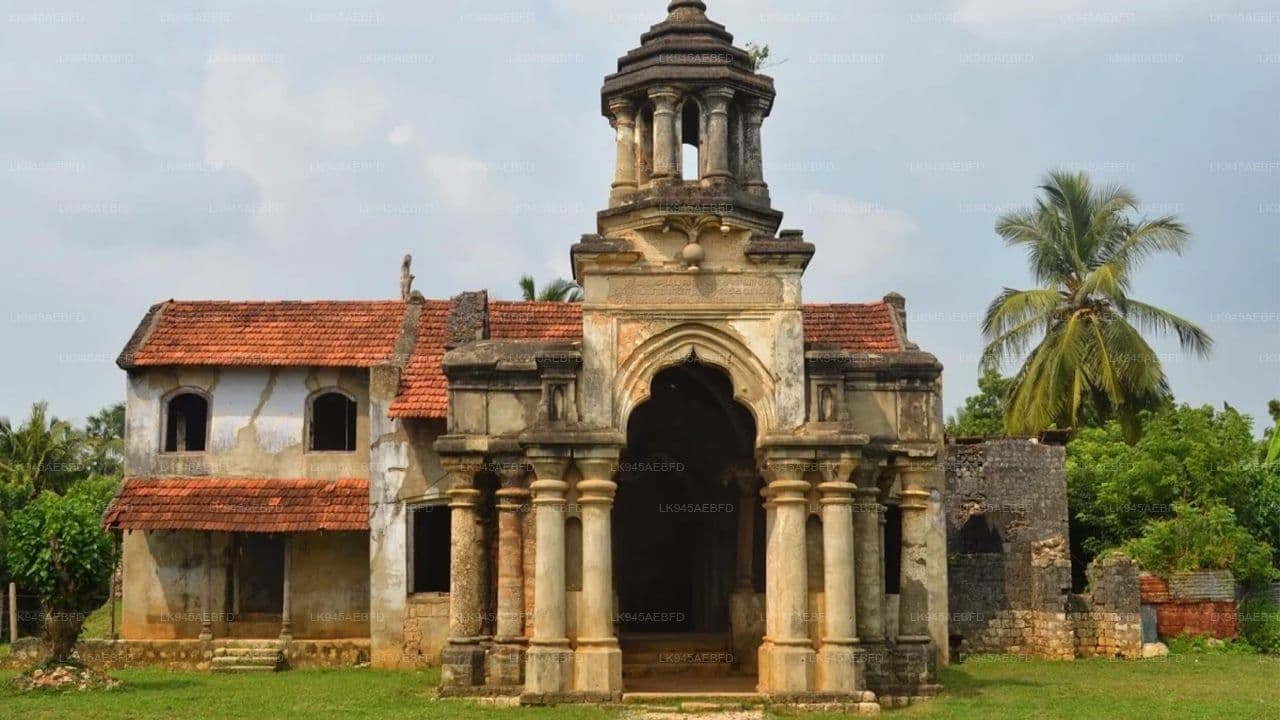
The most famous landmark in this area is a massive, ruined mansion that locals refer to as the "Presidential Palace."
In reality, it was a grand colonial-era home, likely belonging to a wealthy industrialist or official, that was taken over during the conflict. Today, it stands as a hauntingly beautiful shell. The roof is gone, exposing the beams to the sky. Roots of Banyan trees strangle the masonry, similar to the ruins of Ta Prohm in Cambodia.
You can walk through the empty halls. The walls are covered in layers of graffiti names of lovers, dates, and scribbles left by visitors over the years. The grand staircase still stands, leading to nowhere. It is a photographer's dream, offering a moody, eerie atmosphere that feels like a movie set.
The Kankesanthurai Lighthouse
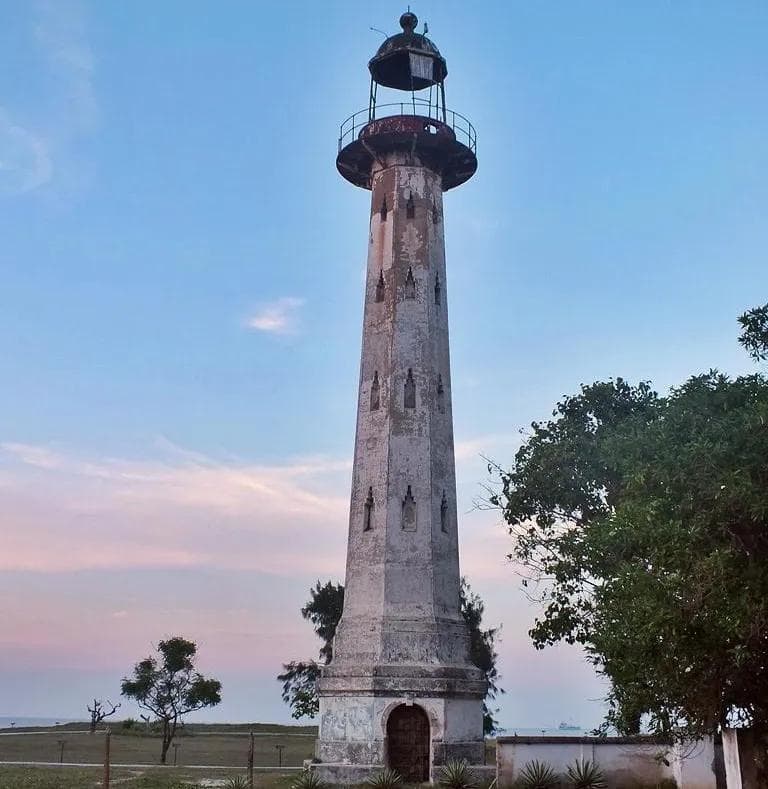
Just down the road from the ruins, the vibe changes completely. Standing tall and white against the coastline is the KKS Lighthouse.
Built by the British in 1893, this octagonal tower has guided ships for over a century. It stands inside a naval naval zone, so while you usually cannot climb to the top, you can get right up to the base for photos. The stark white of the tower against the deep blue of the Indian Ocean makes for a stunning visual.
The Pristine Coastline
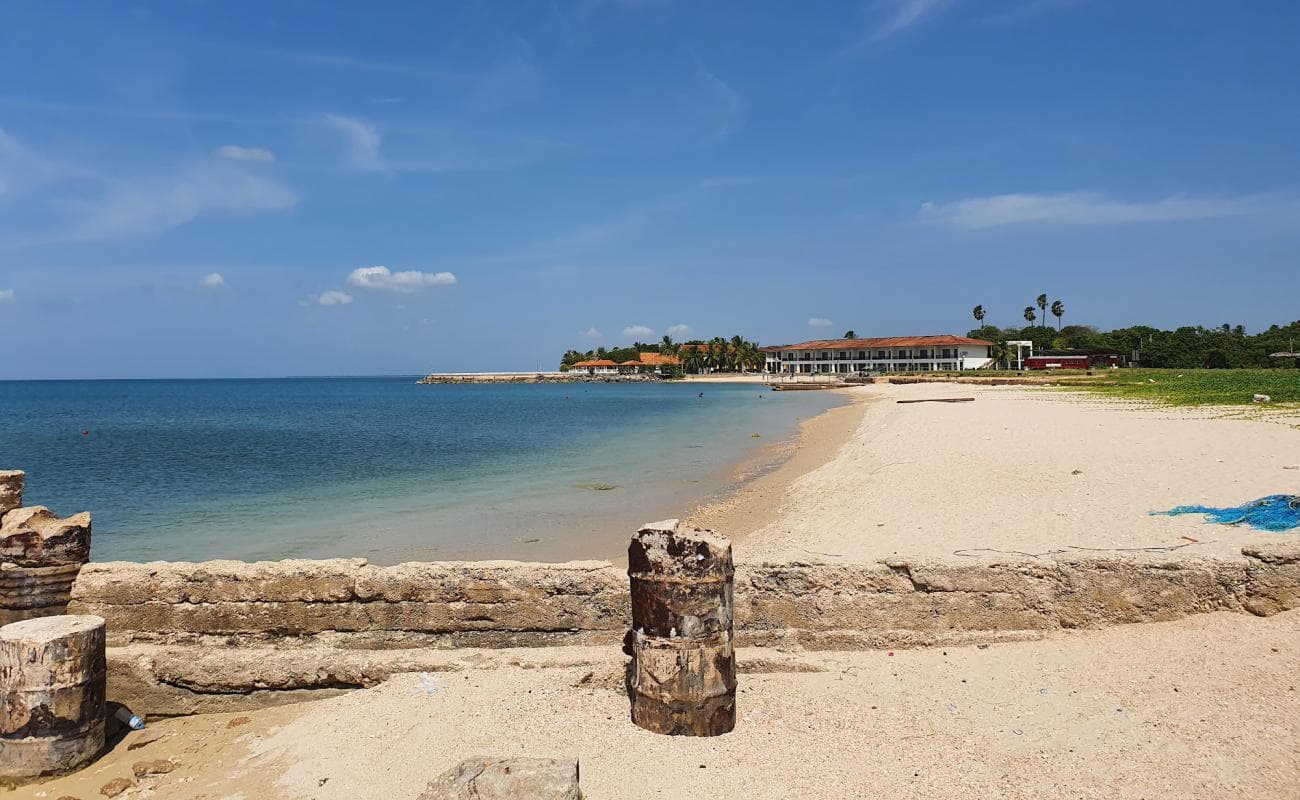
Because KKS was closed off for so long, the beaches here were untouched by tourism or development. The result is water that is shockingly clear.
Near the KKS Harbour and the Thalsevana Holiday Resort (run by the Army), you can access the beach. The sand is white, and the water is a vivid turquoise. It is calm and perfect for a quick dip to cool off after exploring the ruins.
The Cement Factory Skyline
As you drive through the area, you will see a massive, industrial skeleton dominating the horizon. This is the abandoned KKS Cement Factory.
Once a bustling industrial hub, it now sits silent, a rusty giant of steel and concrete. While you generally cannot enter the factory grounds due to safety and security reasons, seeing this industrial monolith from the road adds to the post-apocalyptic feel of the area.
Realistic Tips for the Trip
- Security Zones: KKS is still a heavy naval area. While the main roads and specific sites are open, do not stray past fences or "No Entry" signs. If you see a soldier or a sentry point, put your camera away or ask for permission before taking a photo.
- Transportation: You need your own vehicle (scooter or tuk-tuk). KKS is the end of the line for the train (the Yal Devi), but the sights are spread out.
- Sun Protection: There is very little shade in KKS. The sun reflects off the white ruins and the ocean. Bring water and a hat.
Why Visit?
Kankesanthurai is a place in transition. It is slowly changing from a military zone into a tourist destination. Visiting now allows you to see it in that raw, middle state where the beauty of the coast meets the scars of history. It is a sombre, yet undeniably beautiful, edge of the world.
Enjoyed this story? Share it
About the Author
Amaya Fernando
A passionate cultural explorer and travel storyteller dedicated to uncovering the grand temple festivals, historic heritage sites, serene island landscapes, and the vibrant spirit of Jaffna — the jewel of Sri Lanka's northern coastline.